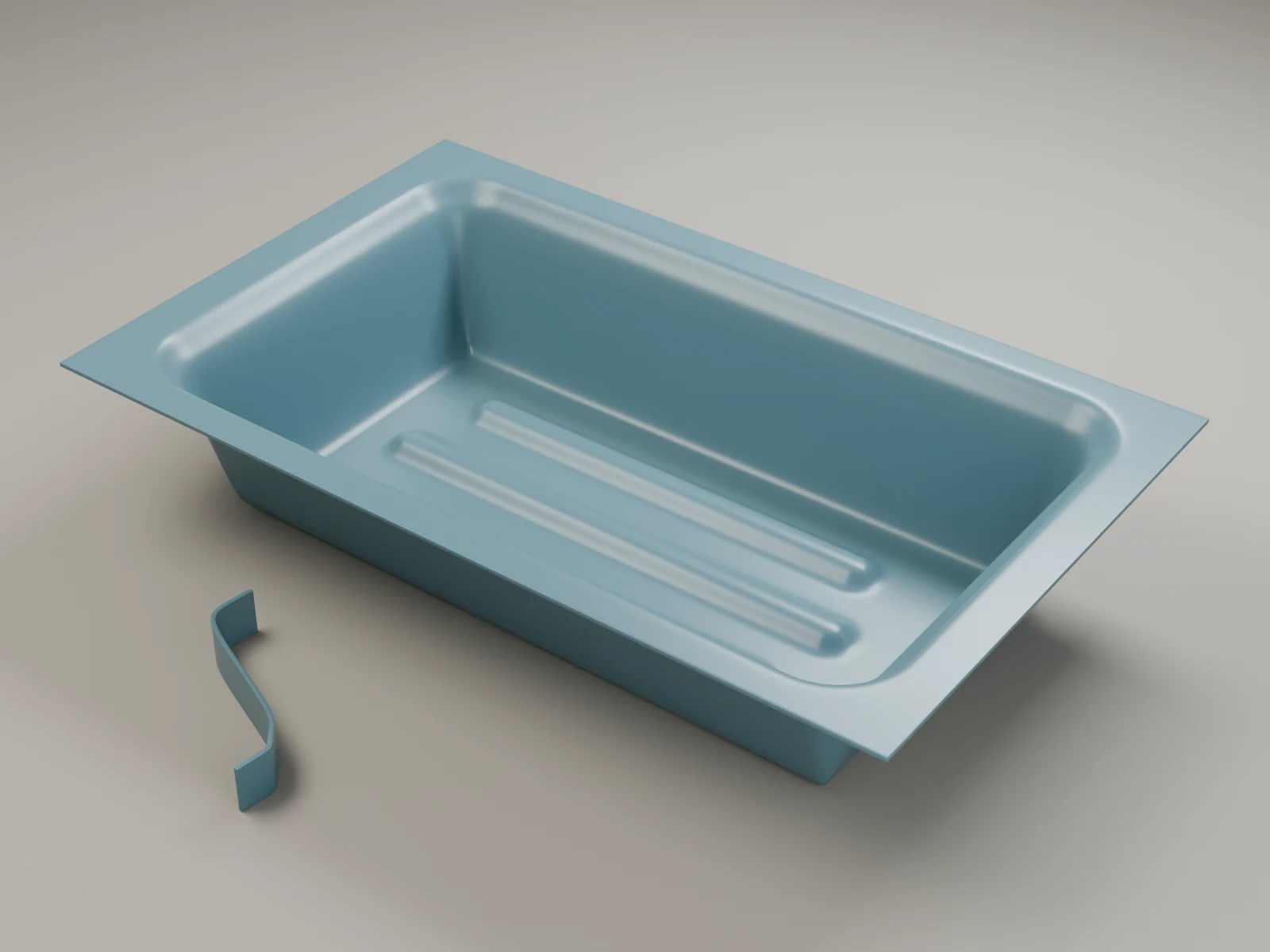
Sheet extrusion
Cap & core resins
M4 matte ABS for the visible surface and recycled ABS candidates for the core.
View matte ABS material Sheet selection guide
Extrusion & injection molding
Multilayer sheet is our specialty, from matte ABS cap layers to recycled cores. We also find second sources and specialty grades for molded parts, tubing and other applications.
Browse the material directory Supplying local customers? For distributors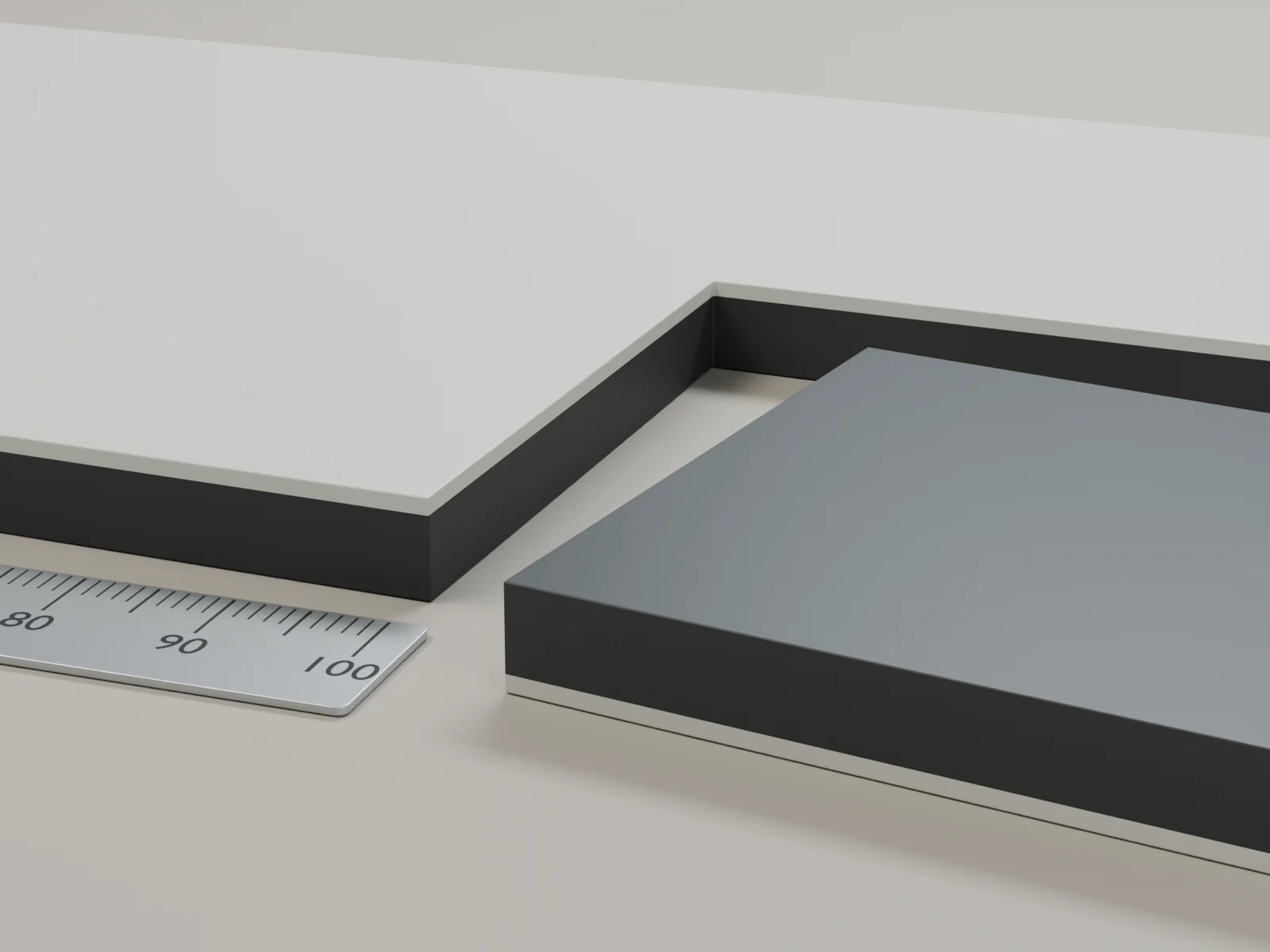
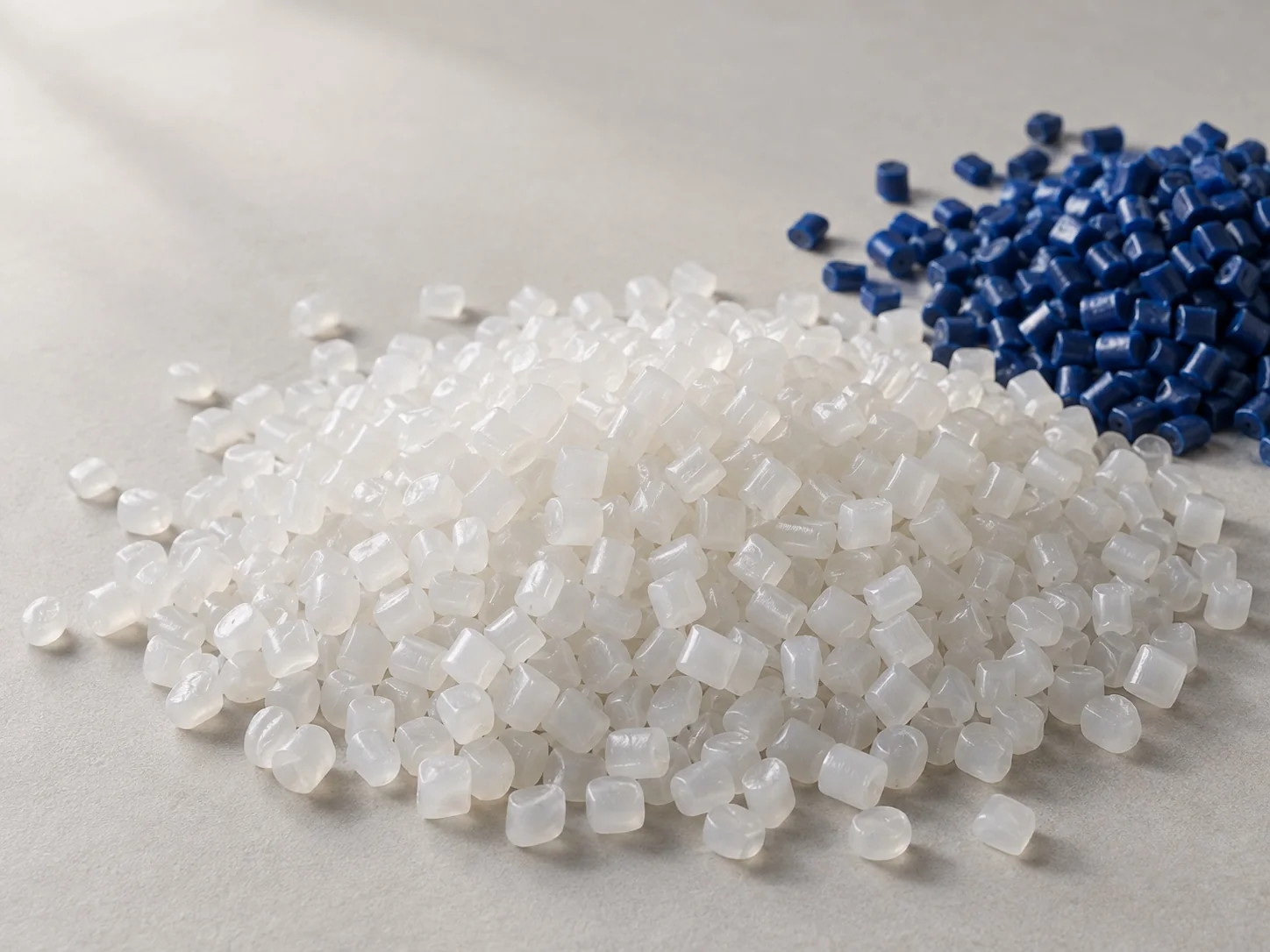
Look up the code on your bag label in the BERRNIK catalog.
Sheet extrusion
M4 matte ABS for the visible surface and recycled ABS candidates for the core.
View matte ABS material Sheet selection guide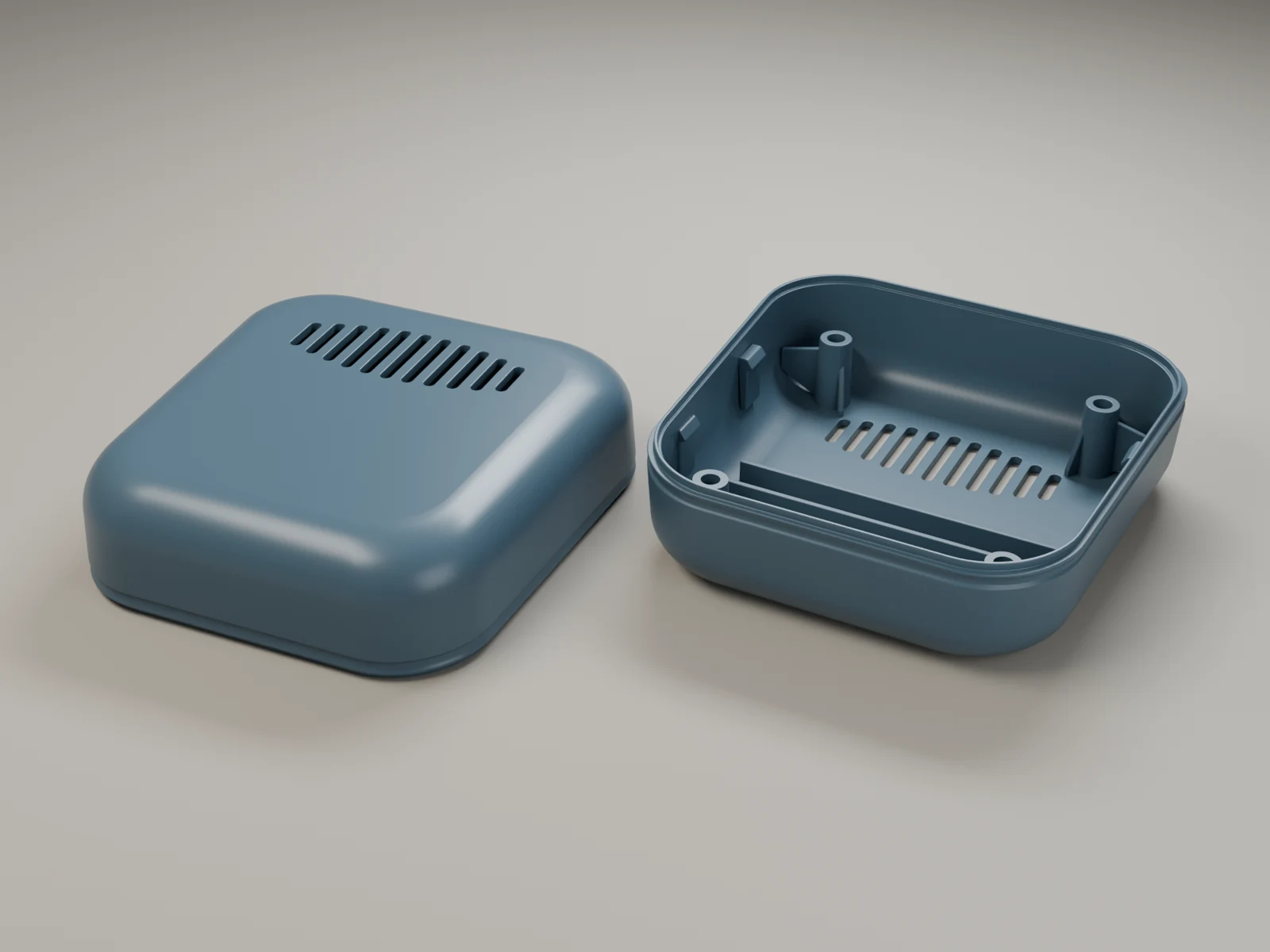
Injection molding
Color-matched PC/ABS for housings, with flame-retardant grades selected to your requirements.
Discuss a molding grade Read the housing guide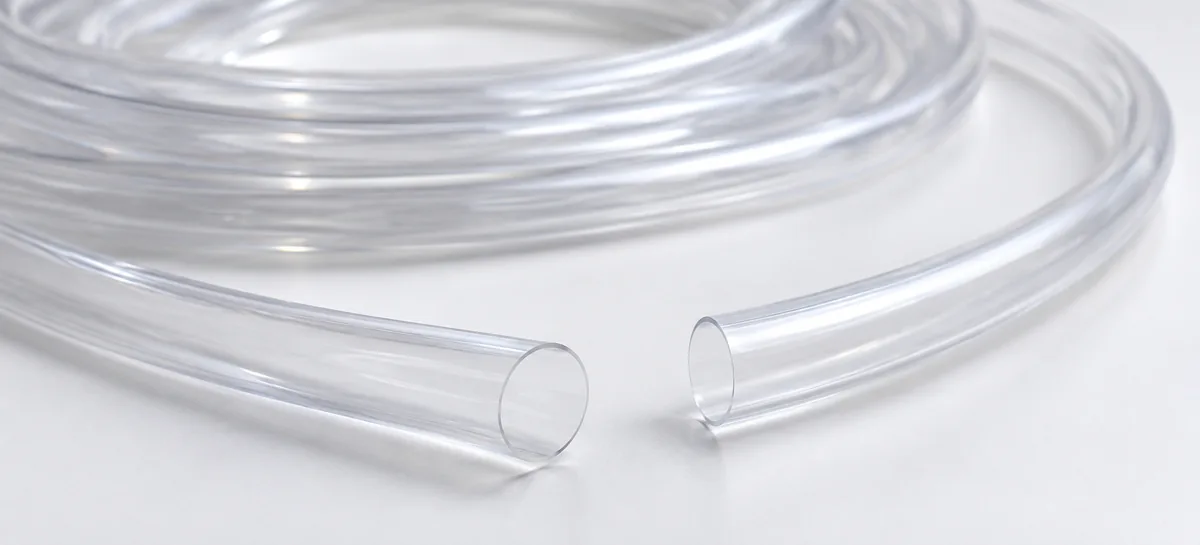
Tubing extrusion
Compare radiopaque TPU candidates, including 20% barium sulfate grades for catheter tubing trials.
Discuss a tubing grade Read the tubing guide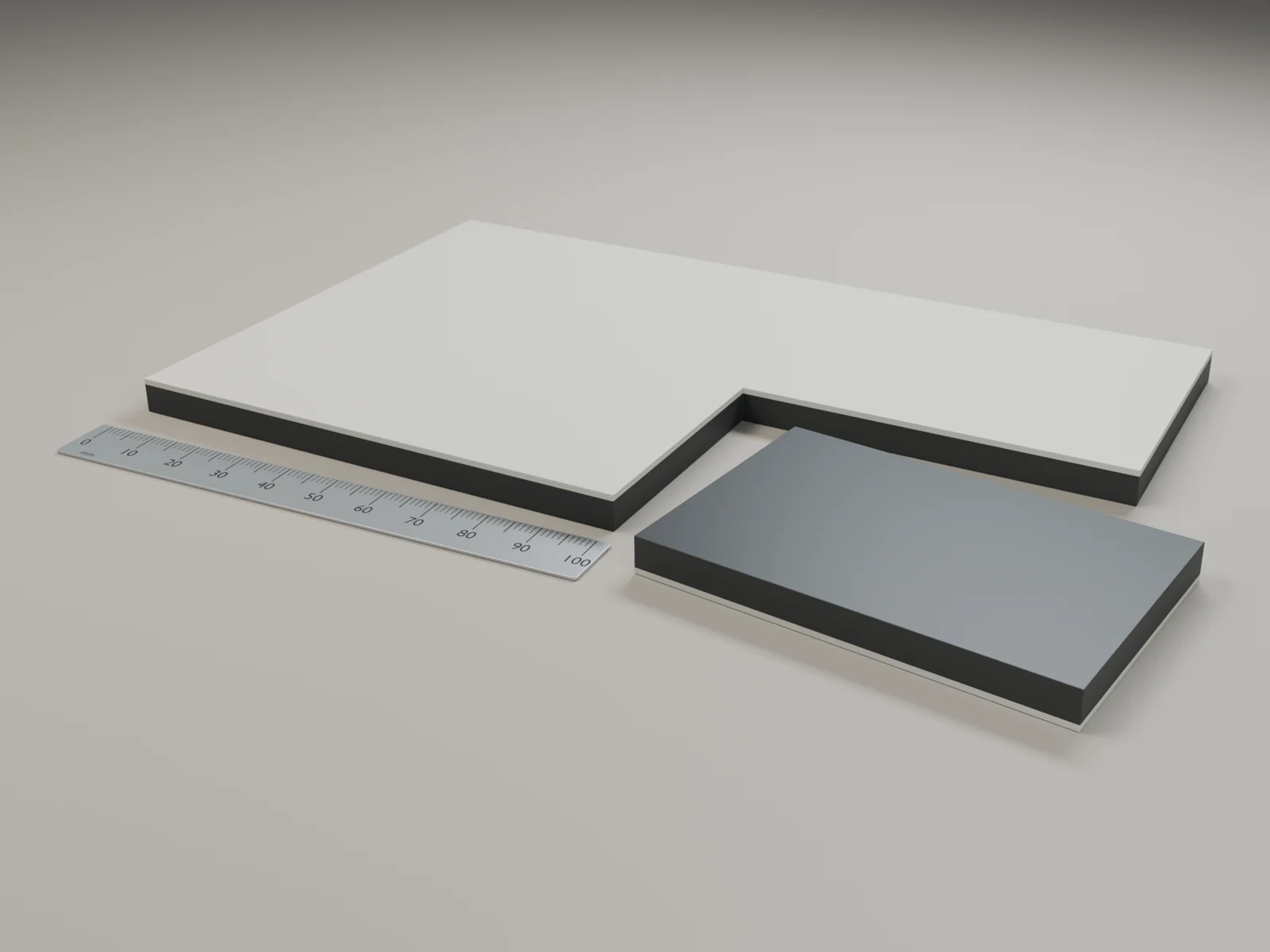
Free sheet material review
A light cap over recycled ABS can look even on flat sheet. In a deep-drawn corner the cap stretches thinner and the darker core can show through.
Send the layer structure of one sheet you run. We’ll look at which layers to keep, which resin to trial and how the options compare per square meter of saleable sheet.
Request a free sheet reviewBERRNIK technical library
Start with the full English guides to ABS sheet thermoforming and PE blown film, or explore more selection notes below.
A flat panel needs an even gauge and a clean surface on both sides. For a thermoformed tray, the wall thickness in the deepest corner matters too.
Record sheet thickness across the width before forming, then measure the thinnest corner of the finished tray.
Read the full page in RussianFor matte interior panels, the finish on the flat sheet is only the starting point. Forming stretches the corners, where the texture, gloss and remaining wall thickness need checking.
Compare gloss, color and texture on the flat sheet and the formed corner at your target draw depth.
English material profile · Read the full page in RussianDeep pockets in an ABS liner stretch unevenly. A flat sheet can have the right color and texture, yet show whitening or lose its surface texture around a formed corner.
Compare two sheets on the same tool. Measure the deepest corner after cooling and check its finish against the flat blank.
Read the English selection guide · Read the full page in RussianFor a flat acrylic sign, optical streaks and a clean machined edge matter. For a formed panel, heating behavior and the remaining thickness at the corners also affect acceptance.
Inspect cooled sheet in transmitted light. For an edge-lit panel, check brightness and color along the full light path.
Read the full page in RussianA recycled ABS cover needs to match the adjacent panel in color and gloss. Its snap-fit also needs enough toughness at the temperature where the part will be assembled.
Compare finished panels side by side under the same light, then check the snap-fit at the lowest assembly temperature.
Compare light and dark recycled ABS cores for sheet · Read the full page in RussianA V-0 rating applies at a stated test thickness. For a housing with loaded fasteners near a heat source, stiffness at operating temperature also affects grade selection.
Identify the thinnest wall and any fasteners under load. Check the rating for the proposed grade, color and wall thickness.
Read the full page in RussianA tube must keep its lumen open through bends and hold securely in its connector. Pump tubing also has to recover its shape after repeated compression.
Specify the bend radius, wall thickness, fluid or patient contact, and planned sterilization method for the tubing assembly.
Read the full page in RussianFluid, temperature and minimum bend radius help narrow the choice of TPU for a hose. Pressure performance depends on the finished tube, its wall thickness and the fitting.
Specify the fluid, pressure, service temperature and bend radius, then test a length of tube with its production fitting.
Read the full page in RussianThe full grade code identifies the starting formulation. The finished part determines which properties to compare, which test conditions matter and what a second source needs to deliver in a trial.
Start with a bag label or data sheet, the part you make and the reason you want a second source.
Read the full page in RussianIn this worked example, a visible weld line on a molded cover appears in just one cavity. The buyer compares parts made with HI121 before considering SD-0150 or 750SW.
Sort the covers by cavity and inspect the vents. When comparing melt flow data, check the test temperature and load.
Read the full page in RussianAbout BERRNIK
We supply polymer resins from China to overseas processors and local resin distributors. We work with producers and compounders to compare grades, arrange trial quantities and organize export supply once you approve a material.
If you supply resin to local processors, we can help you compare grades for a customer trial and plan how much material to bring into stock.
Explore distributor projects and tools